Mission 1: Create API Key
Estimated time: 5 minutes
Learning Objective
Learn how to create and manage an API Key - the first and most crucial step in setting up LOGIBLOX as your backend solution. This API key will authenticate external applications and enable secure access to your data and workflows.
Dataset
Download the required dataset: table.csv
Prerequisites
Please refer to the Navigation Guide to familiarize yourself with the platform interface before starting this mission.
Step-by-Step Instructions
1. Create a New Project
In the main view panel, click New Project and name it "My Backend" in the dialog.
2. Import the Dataset
Import the dataset via Add Item → Add Data → CSV. This table will be used in later missions.
3. Configure the Table Index
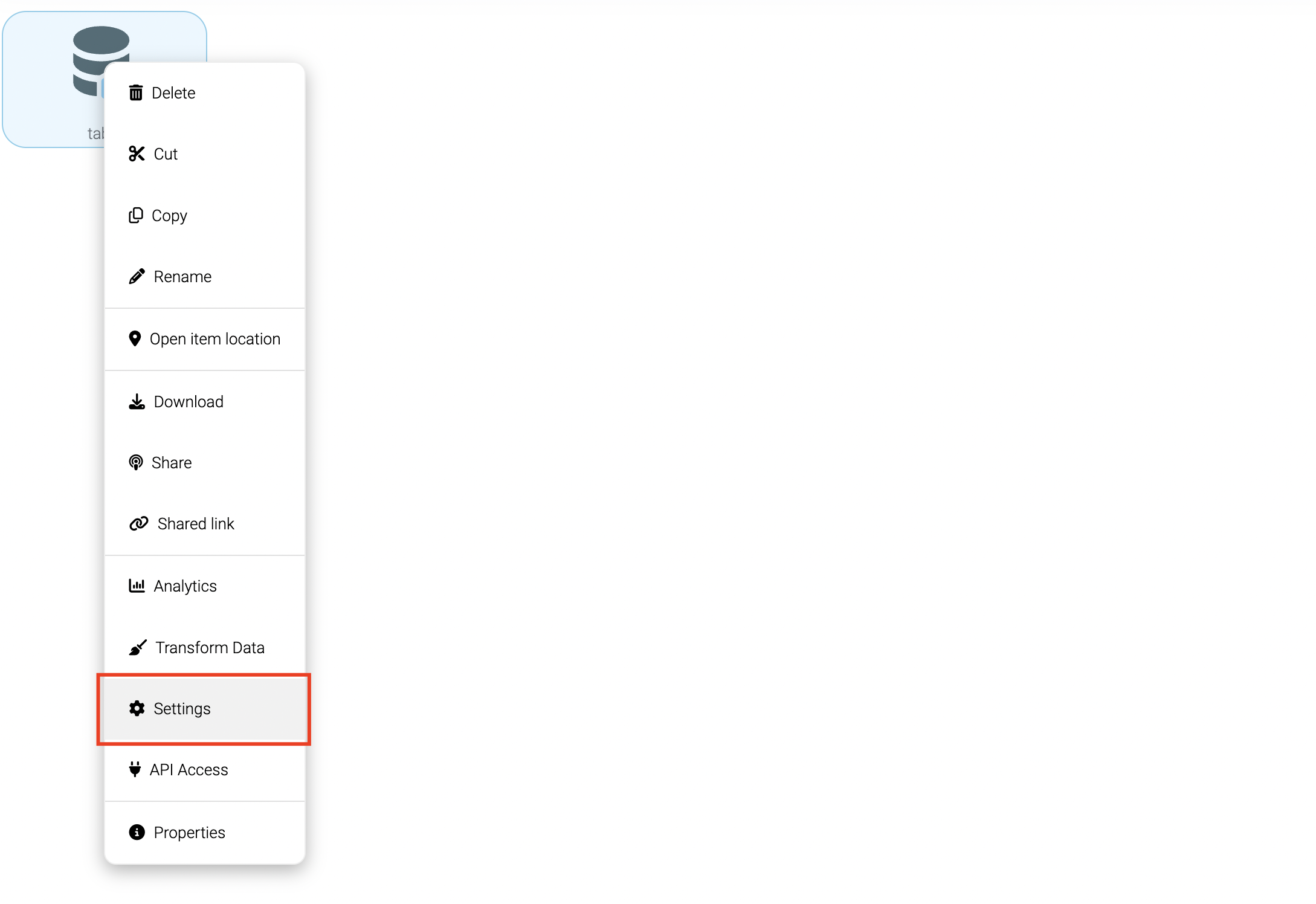
- Right-click the dataset
- Click Settings
- Select Lead ID as the Index

Important
Setting an Index column is crucial for performing all CRUD operations (Create, Read, Update, Delete) with this table via API.
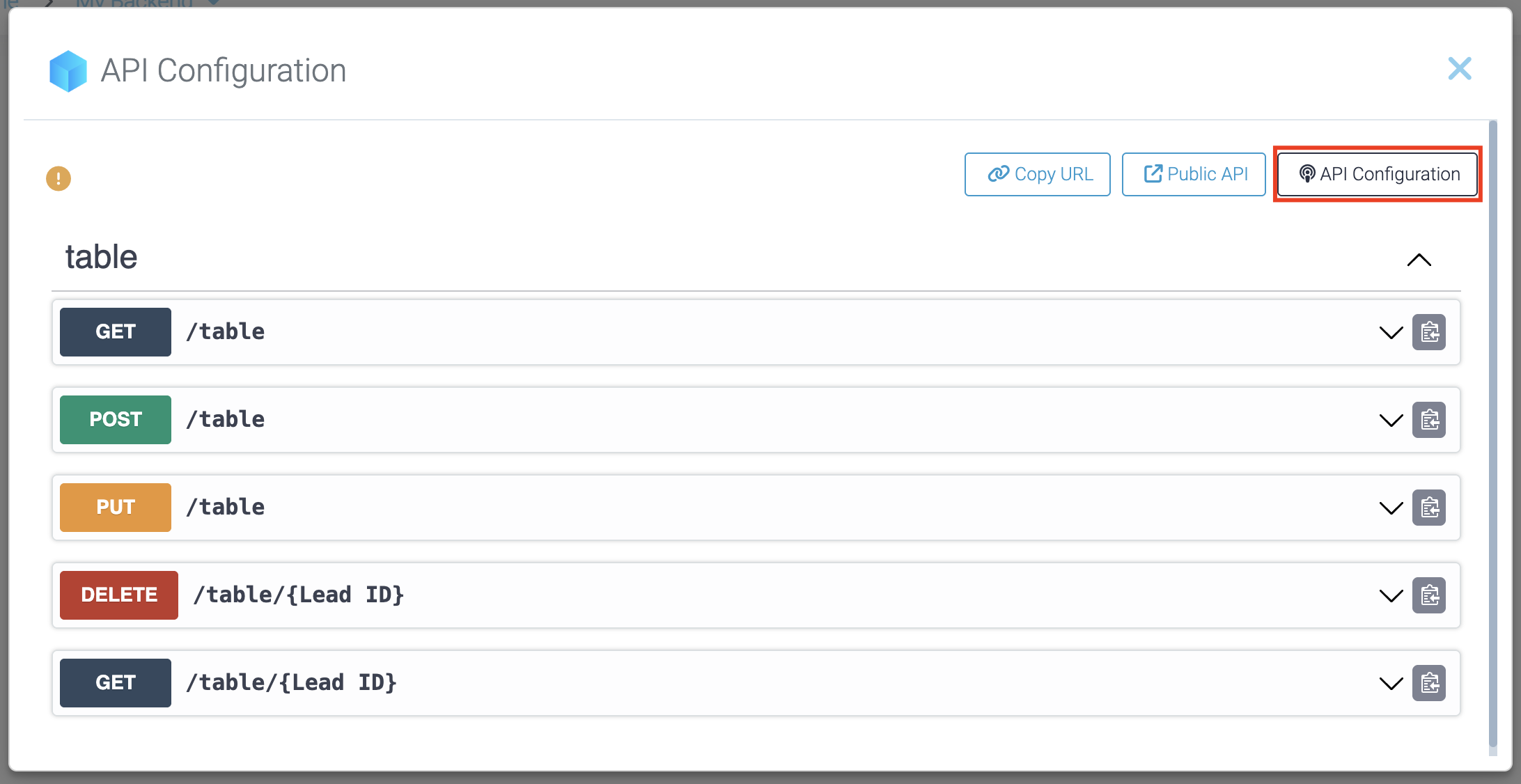
4. Open API Documentation
Navigate to the API Documentation of the folder (see screenshot below).

5. Navigate to API Key Configuration
In the API Documentation menu, click the button on the right to go to API Key Configuration.
6. Create Your API Key
- Click "API" in the configuration section
- Create your key
- Click Apply
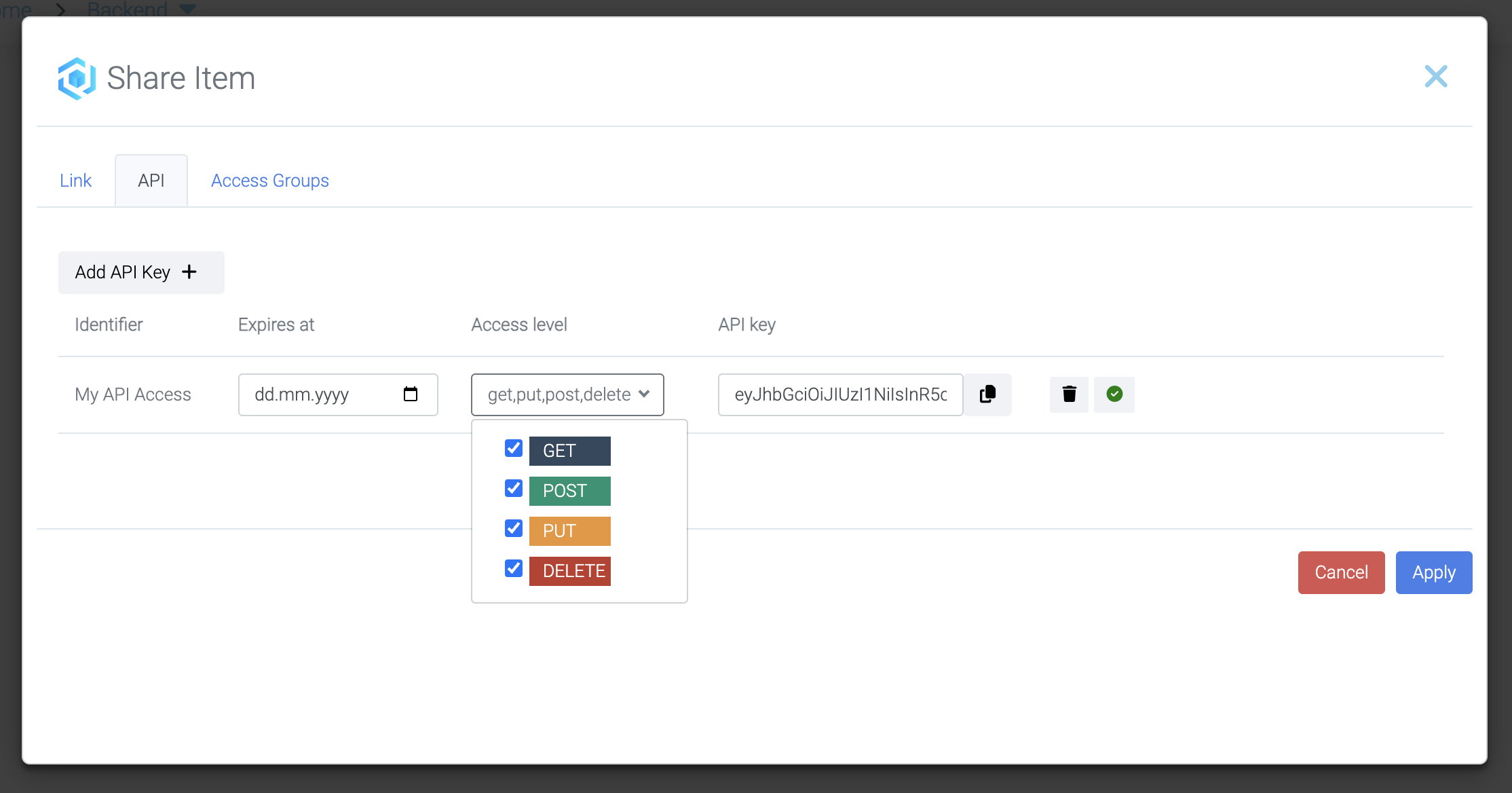
7. Save Your API Key
You have now created the API Key! Save it securely - you'll need it to authenticate external projects.
Understanding API Keys
What is an API Key?
An API key is a unique authentication token that:
- Identifies your application or integration
- Authorizes access to your LOGIBLOX data
- Secures your backend from unauthorized access
- Tracks API usage and requests
Best Practices
Security
- Never share your API key publicly
- Store it securely (environment variables, secure vaults)
- Regenerate keys if compromised
- Use different keys for different applications
What You Can Do With This API Key
Once you have your API key, you can:
- Read Data - Query and retrieve records from your table
- Create Records - Add new entries via API calls
- Update Records - Modify existing data programmatically
- Delete Records - Remove entries through the API
- Access Flows - Trigger and execute Flows remotely
Summary
You've successfully learned how to:
✓ Create a project for backend operations
✓ Import and configure a table as a database
✓ Set an Index column for CRUD operations
✓ Access the API Documentation
✓ Generate an API key for authentication
✓ Understand API security best practices